Posts

Showing posts with the label escort services

The Ultimate Guide to Escort Vehicles: Guardians of the Road
Image
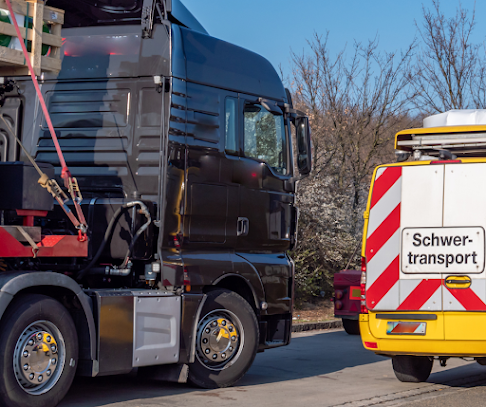
Ever noticed those vigilant vehicles with flashing lights escorting an unusually large truck and wondered, "What does an escort vehicle do?" You're about to step into the world of escort vehicles, the unsung heroes ensuring the colossal cargoes make their way safely across our roads. These vehicles are the linchpins in the safe transport of oversized loads, guiding them through the maze of traffic and infrastructural challenges. Dive in as we explore the multifaceted role of escort vehicles, and next time you see one, you'll know exactly the critical role they're playing. Understanding Escort Vehicles: Definition and Purpose Imagine driving a car that's responsible not just for its safety but also for the safety of a truck carrying something as big as a house! That's what escort vehicles do. They serve as the mobile guardians for oversized loads, ensuring these giants can navigate roads without turning every trip into an obstacle course. These vehicles, ...

Heavy Haulage: The Evolution of Machinery Transport in Industries

Image
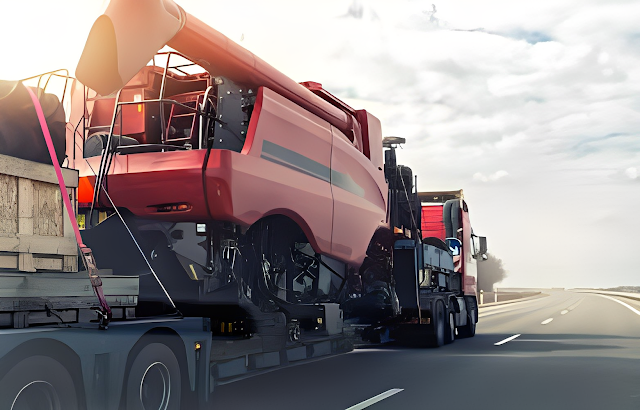
In the dynamic world of industries, the transport of heavy machinery has undergone a remarkable evolution over the years. From rudimentary methods to cutting-edge technologies, the journey of heavy haulage reflects not only the progress in engineering but also the adaptability of industries to changing demands. In this blog, we delve into the fascinating evolution of machinery transport, exploring key milestones, technological advancements, and the impact on various sectors. The Early Days: In the early days of heavy haulage , industries relied on sheer manpower and basic tools to transport machinery. The movement of large equipment was a labor-intensive process, often requiring a considerable workforce and time. As industries expanded and machinery became more sophisticated, the need for efficient transport solutions became apparent. Technological Advancements: 1. Internal Combustion Engines: The advent of internal combustion engines marked a significant turning point. Steam-powered ...

Behind the Wheel: Life in the Driver's Seat of a Heavy Haulage Vehicle

Image
 Introduction: Life on the open road takes on a whole new meaning when you're behind the wheel of a heavy haulage vehicle. For truck drivers navigating the highways and byways of the UK, each journey is an adventure filled with challenges and unique experiences. Here, I'll delve into the world of heavy haulage drivers, exploring the ups and downs, the camaraderie, and the unparalleled view from the driver's seat. The Rigours of the Road: Driving a heavy haulage vehicle is no small feat. These massive machines, often laden with oversized loads, demand a skilled and focused driver. Long hours on the road, navigating through various weather conditions, and adhering to strict schedules are all part of the job. The constant hum of the engine becomes a companion, and the rhythmic sound of tires on the asphalt serves as a backdrop to the driver's thoughts. The Scenic Route: Despite the challenges, heavy haulage drivers get a front-row seat to some of the UK's most breatht...

How to Manage Septic Tank Emptying?

Image
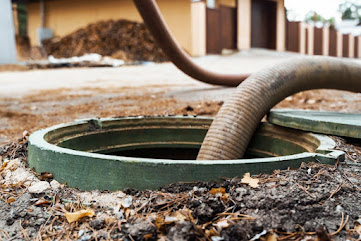
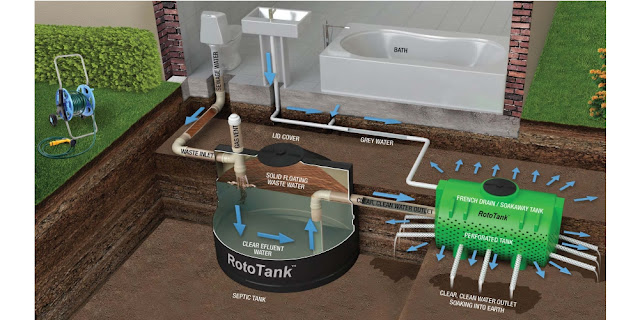
There are many problems in daily life. Septic tank blockages are one of them. Sometimes, this is a very big issue for homeownership or industrial management. Obviously, there are solutions. A Comprehensive Guide to Efficient Septic Tank Emptying Introduction: Maintaining a septic tank is a crucial aspect of homeownership, especially in rural areas where main sewage connections are unavailable. Regular septic tank emptying prevents blockages, odours, and potential environmental harm. This guide will walk you through managing septic tank emptying. Identifying Your Septic Tank System: Before delving into the emptying process, it's important to understand the basics of your septic tank system. Typically, a septic tank is connected to your property's plumbing system and receives wastewater from toilets, sinks, showers, and other drains. The tank separates solid waste from liquid, with the liquid effluent draining into a soakaway or drainage field. Regular Inspections: Routine inspe...

What is a powerful natural drain cleaner?

Image
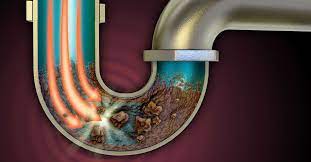
Blocked drains can be a nuisance, causing slow drainage, unpleasant odors, and, in severe cases, even water damage. While chemical drain cleaners are a popular choice for unclogging pipes, they can be harsh on the environment and your plumbing. Fortunately, there are powerful natural drain cleaners that are both effective and eco-friendly. In this article, we will explore these natural alternatives, their advantages, and how to use them to keep your drains flowing smoothly. The Downside of Chemical Drain Cleaners Chemical drain cleaners are widely available and can be effective at dissolving clogs in your plumbing. However, they come with some significant downsides: Harmful Chemicals: Many chemical drain cleaners contain harsh, corrosive chemicals that can damage your plumbing pipes and harm the environment. The toxic fumes emitted during their use can be hazardous to your health. Environmental Impact: The chemicals in these products can have long-lasting negative effects on ecosystems...

What is the quickest way to unblock a drain?

Image
The Quickest Ways to Unblock a Drain: Tips and Techniques A blocked drain can be a major inconvenience, causing slow drainage, unpleasant odors, and, in some cases, water damage. When you encounter a clogged drain, you'll want to resolve the issue as quickly as possible. In this article, we will explore the quickest ways to unblock a drain, from DIY methods to professional solutions, to help you get your plumbing back in working order in no time. Boiling Water One of the simplest and quickest methods to unclog a drain is by using boiling water. This method works well for minor blockages caused by grease, soap scum, or food residue. Boil a pot of water. Carefully pour the boiling water directly down the clogged drain. Let it sit for a few minutes to allow the hot water to melt away the blockage. Run hot water from the faucet to check if the drain is now clear. This method is effective for minor blockages but may not work for more stubborn clogs or blockages caused by solid objects....

Which chemical is used to unblock clogged pipes?

Image
Which Chemicals Are Used to Unblock Clogged Pipes? Pros, Cons, and Safety Clogged pipes can be a frustrating and inconvenient problem in homes and businesses. When traditional methods like plungers and drain snakes fail to clear the blockage, many people turn to chemical drain cleaners as a quick solution. While chemical drain cleaners can be effective at removing clogs, it's important to understand the types of chemicals used, their pros and cons, and, most importantly, how to use them safely. In this article, we will explore the common types of chemicals used to unblock clogged pipes and provide insights into their applications and safety considerations. Common Chemical Drain Cleaners Chemical drain cleaners typically fall into one of three categories: caustic, oxidizing, or acid-based. Each type has its own set of chemical properties and is designed to break down different types of clogs. Here's an overview of each category: Caustic Drain Cleaners Caustic drain cleaners, al...

How do I know if my septic tank is blocked?

Image
 How Do I Know If My Septic Tank Is Blocked? Warning Signs and Solutions A septic tank is an essential part of many residential properties, responsible for treating and disposing of household wastewater. To ensure your septic system functions properly and avoid costly repairs, it's crucial to recognize the signs of a blocked septic tank. In this blog post, we will discuss common warning signs, potential causes, and solutions for a blocked septic tank. The Importance of a Healthy Septic Tank A septic tank plays a vital role in wastewater treatment for homes that aren't connected to municipal sewage systems. When functioning correctly, it separates and breaks down solid waste from household water, allowing treated effluent to be safely released into the environment. However, when a septic tank becomes blocked or overloaded, it can lead to numerous problems, including foul odors, slow drainage , and even sewage backups in your home. Warning Signs of a Blocked Septic Tank Recognizi...

How to Safely Load and Transport Heavy Equipment?

Image
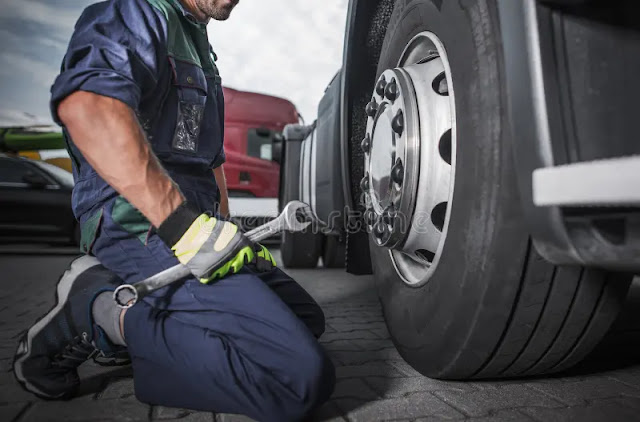
Safely Loading and Transporting Heavy Equipment: Best Practices Transporting heavy equipment is a critical aspect of industries such as construction, mining, agriculture, and manufacturing. Whether you are moving excavators, bulldozers, or large machinery, safety is paramount. Loading and transporting heavy equipment requires careful planning, attention to detail, and adherence to safety guidelines to prevent accidents and damage. In this article, we will discuss best practices for safely loading and transporting heavy equipment, ensuring the well-being of your personnel, equipment, and the public. 1. Inspection and Preparation Before you even begin the loading process, thorough inspection and preparation are essential: Inspect the Equipment: Examine the heavy equipment to ensure it is in proper working condition. Check for any loose parts, hydraulic leaks, or damaged components. Address any maintenance or repair issues before loading. Secure Loose Items: Remove or secure all loose ite...

How to Transport Construction Equipment Safely

Image
Safely Transporting Construction Equipment: Tips and Guidelines Transporting construction equipment is a crucial aspect of the construction industry. Whether you're moving heavy machinery to a job site or relocating equipment between projects, safety is paramount. Mishandling construction equipment during transport can lead to accidents, damage, and costly delays. In this article, we will discuss essential tips and guidelines for safely transporting construction equipment to ensure the well-being of your personnel, equipment, and the general public. 1. Equipment Inspection and Preparation Before transporting construction equipment, thorough inspection and preparation are essential: Inspect the equipment: Examine the machinery to ensure it is in good working order. Check for any loose parts, hydraulic leaks, or worn-out components. Address any maintenance or repair issues before transport. Secure loose items: Remove or secure all loose items, such as tools, attachments, or debris fr...